The History of the Old Fashioned: How Wisconsin Put Its Own Spin On A Classic Cocktail
Walk into a Wisconsin supper club and order an Old Fashioned, and one question often follows: sweet, sour, or press?
For many Wisconsinites, the question feels completely normal. Travel outside the state, though, and the drink arriving across the bar might look and taste quite different. Instead of brandy, muddled fruit, and soda, a traditional Old Fashioned usually centers on whiskey, sugar, bitters, water, and a simple citrus garnish.
Both drinks belong to the same family, but Wisconsin took the Old Fashioned in a direction all its own.
The history of the Old Fashioned stretches back more than two centuries. Along the way, bartenders changed the spirits, mixers, fruit, garnishes, and preparation. Wisconsin eventually developed one of the most recognizable regional versions in the country, closely tied to taverns, family gatherings, Friday fish dinners, and the traditional Wisconsin supper club.
Understanding how the drink reached this point helps explain why the Old Fashioned remains such a familiar part of Wisconsin dining culture today.
The Old Fashioned Started With The Original Idea Of A Cocktail
The Old Fashioned has an unusual place in cocktail history because its basic recipe closely resembles one of the earliest recorded definitions of the word “cocktail.”
In 1806, The Balance and Columbian Repository, a newspaper in Hudson, New York, described a cocktail as a mixture of spirits, sugar, water, and bitters. Those four elements remain the foundation of a traditional Old Fashioned today.
At the time, people were not walking into taverns and ordering an “Old Fashioned” by name. They might have ordered a whiskey cocktail, brandy cocktail, or another version based on the spirit used. The basic idea remained simple. Start with liquor, add sweetness and bitters, then use water to soften and balance the drink.
Cocktail culture became more elaborate during the 1800s. Bartenders began incorporating liqueurs, curaçao, absinthe, and other ingredients into drinks. Some customers still preferred the simpler style they already knew, so they began asking for cocktails prepared the old-fashioned way. By the late 1800s, references to “old-fashioned” cocktails had begun appearing in print and bartending guides.
The name stuck.
Rather than disappearing as bartending changed, the simpler drink became a classic of its own.
The Traditional Old Fashioned Is Surprisingly Simple
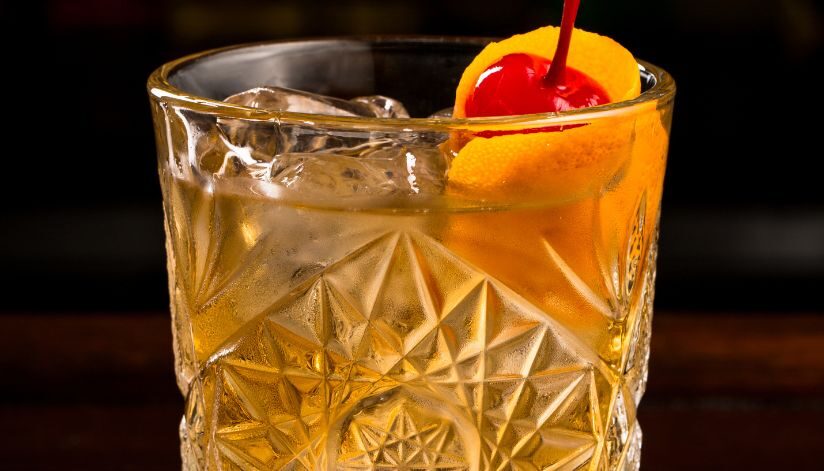
A traditional whiskey Old Fashioned has relatively few parts. Whiskey, sugar, bitters, water or dilution from ice, and often a citrus peel form the basic drink.
Bourbon and rye are the two spirits most closely associated with the traditional version today. Bourbon tends to bring sweeter flavors, while rye often has a spicier profile. Change the whiskey and the character of the drink shifts, even though the basic structure stays the same.
That simplicity is one reason the Old Fashioned has lasted.
There are no large amounts of juice or mixers hiding the base spirit. The sugar softens the alcohol, while bitters add aroma and complexity. Ice chills the drink and provides gradual dilution.
The result is a cocktail where small choices matter. The whiskey matters. The amount of sugar matters. The bitters matter. Even the size of the ice affects how quickly the drink changes in the glass.
Wisconsin kept some of those basic ideas, then took the Old Fashioned down a different path.
How Wisconsin Developed Its Brandy Old Fashioned Tradition
Ask where Wisconsin’s love of the brandy Old Fashioned started, and you might hear more than one story.
One popular version connects Wisconsin’s interest in brandy to the 1893 World’s Columbian Exposition in Chicago, where California brandy producer Korbel showcased its product. The story holds that visitors from Wisconsin tried the brandy, brought their enthusiasm home, and eventually began substituting brandy for whiskey in Old Fashioneds.
It is a good story, but historians and food writers have raised questions about whether the exposition deserves as much credit as Wisconsin folklore sometimes gives it.
Another explanation points to the period surrounding World War II. Grain and distilling resources were redirected during the war, and quality whiskey became harder to obtain. Large amounts of aged brandy entered the Wisconsin market, giving taverns and drinkers an alternative. Brandy gained a strong following, and producers later marketed aggressively to Wisconsin consumers.
Whatever combination of circumstances created the tradition, Wisconsin embraced brandy and never fully let go.
Today, brandy replaces whiskey in the version most people associate with Wisconsin supper clubs. The Wisconsin Historical Society describes the familiar drink as brandy combined with sugar, bitters, muddled orange and cherries.
The connection became strong enough for Wisconsin lawmakers to approve a resolution in 2023 declaring the brandy Old Fashioned the state’s cocktail.
For many people here, though, no official recognition was necessary. The drink had already been part of supper club culture for generations.
What Makes A Wisconsin Old Fashioned Different?
The choice of brandy is the most obvious difference between a traditional Old Fashioned and the Wisconsin version, but the changes go beyond the base spirit.
Wisconsin versions commonly incorporate muddled fruit, especially orange and cherries, along with bitters and sugar. The drink then receives a mixer, which creates the sweet, sour, and press variations familiar across the state.
That mixer changes the character of the cocktail considerably.
A traditional whiskey Old Fashioned is generally spirit-forward. The flavor of the whiskey remains front and center. A Wisconsin Old Fashioned tends to be longer, fruitier, and more refreshing because of the soda or mixer.
The muddled fruit also gives the Wisconsin version a distinctive appearance and flavor. Instead of only expressing citrus oils from a peel over the finished drink, bartenders often work orange and cherry directly into the cocktail.
Then comes the question every Wisconsin Old Fashioned drinker learns to answer.
Sweet, sour, or press?
Brandy Old Fashioned Sweet
The Old Fashioned sweet is one of the versions most closely associated with Wisconsin.
After the brandy, sugar, bitters, and fruit are combined, lemon-lime soda provides the finishing mixer. The soda adds sweetness, citrus flavor, and carbonation.
For people who prefer a smoother and sweeter drink, this tends to be an approachable choice. The lemon-lime soda softens some of the sharper alcohol notes while complementing the orange and cherry.
The exact proportions vary between bartenders and establishments. Some drinks lean sweeter. Others let the brandy show through more clearly. Muddling styles also differ, so two Old Fashioned sweets from two supper clubs might share the same general ingredients while tasting noticeably different.
That variation is part of the tradition.
People develop preferences based on the versions they grew up drinking, the supper club their family visited, or the bartender who always seemed to get the balance right.
Brandy Old Fashioned Sour And Press
Someone who wants less sweetness might order an Old Fashioned sour.
Instead of finishing the cocktail with lemon-lime soda, the sour version uses a sour mixer. Depending on where you order, the exact mixer differs. The result usually brings more tartness and a sharper finish than an Old Fashioned sweet.
Then there is the press.
A press falls between sweet and a lighter, less sugary drink. The name comes from “Presbyterian,” a style of mixed drink traditionally involving a combination of soda water and a sweeter carbonated mixer. Wisconsin bartenders commonly use a mix of lemon-lime soda and soda water for an Old Fashioned press.
The press provides carbonation and some sweetness without going as far as the full sweet version.
People also customize further. Some ask for soda water. Others have strong feelings about exactly how much mixer belongs in the glass.
Anyone who has spent time around a Wisconsin supper club bar knows drink orders often get specific. Brandy sweet. Brandy sour. Brandy press. Whiskey sweet. Bourbon press.
The Old Fashioned offers plenty of room for personal preference.
Whiskey, Bourbon, Rye And Other Base-Spirit Variations
Wisconsin’s love of brandy does not mean every Old Fashioned in the state starts with brandy.
Whiskey remains the traditional base for the cocktail, and many drinkers prefer the stronger grain flavors it brings. Bourbon generally gives the drink a rounder, somewhat sweeter character, while rye tends to add spice and dryness.
Switching spirits creates one of the easiest ways to explore different Old Fashioned variations because the rest of the drink does not need to change much.
A bourbon Old Fashioned tastes different from one prepared with rye. A brandy version moves in another direction entirely because brandy comes from distilled wine or fruit rather than grain.
Bartenders around the country also experiment with rum, tequila, mezcal, aged spirits, flavored syrups, and different bitters. Those drinks move farther away from the classic Wisconsin supper club version, but they follow the same basic idea developed generations ago: spirit, sweetness, bitters, and dilution.
That simple framework gives the Old Fashioned an unusual amount of flexibility.
You recognize the drink even as its personality changes.
Even The Garnish Starts A Debate In Wisconsin
The spirit and mixer are only part of the decision.
The garnish brings another layer of Wisconsin Old Fashioned tradition.
Orange slices and cherries are familiar choices, especially with sweeter versions. They reinforce the fruit already muddled into the drink and provide the classic look many people associate with an Old Fashioned.
Then Wisconsin gets creative.
Olives, cocktail onions, mushrooms, and other pickled garnishes have appeared on Old Fashioneds around the state. Wisconsin’s 2023 legislative resolution even referenced both sweet garnishes and savory options such as olives and pickled vegetables.
Whether those belong on an Old Fashioned depends entirely on who you ask.
Some drinkers would never consider anything beyond orange and cherry. Others expect olives with certain versions. A person who orders the same drink every Friday might have a preferred spirit, mixer, garnish, and level of sweetness.
That personalization helps explain why Old Fashioneds work so well in supper club culture. There is a traditional framework without one rigid order everyone must follow.
Why Old Fashioneds And Wisconsin Supper Clubs Fit Together
An Old Fashioned feels especially at home at a Wisconsin supper club because both are tied to taking your time.
A supper club dinner often begins before anyone orders the main course. You meet friends or family at the bar. Someone orders a drink. Another person looks over the menu. Conversation starts. Eventually everyone moves to the table for dinner.
The cocktail becomes part of the evening rather than something separate from the meal.
That slower pace is one reason traditions survive. Ordering an Old Fashioned at the bar before Friday fish or a Saturday night dinner often connects people with experiences they have repeated for years. Parents introduce the supper club tradition to their adult children. Friends establish regular dinner nights. Visitors to Wisconsin order their first brandy Old Fashioned because they want to understand why locals talk about the drink so much.
The combination of cocktails, food, conversation, and a welcoming dining room is central to Wisconsin supper club culture.
The Old Fashioned belongs in that setting because the drink itself has survived for the same reason supper clubs have. People enjoy traditions worth repeating.
Enjoy A Classic Old Fashioned At Drugan’s Castle Mound
Drugan’s Castle Mound has been part of the Holmen and greater La Crosse area since 1970. Along with golf, weddings, banquets, and community gatherings, Drugan’s remains a traditional Wisconsin supper club where guests gather for familiar meals and drinks. Drugan’s current website specifically highlights enjoying a classic Old Fashioned as part of the supper club experience.
That pairing feels natural.
An Old Fashioned before dinner, a trip through the soup and salad bar, and a classic supper club meal all fit the same kind of evening. There is no need to rush through any part of it.
Drugan’s current menu includes familiar Wisconsin supper club choices ranging from steaks and tenderloin tips to cod, walleye, shrimp, Norwegian meatballs, and other favorites. You can see the our current dining menu before planning your next visit.
More than two centuries after people first described a cocktail as spirits, sugar, water, and bitters, the Old Fashioned remains part of the conversation. Wisconsin changed the spirit, added fruit, brought soda into the mix, and created its own set of ordering traditions.
Sweet, sour, press, brandy, bourbon, rye, orange, cherry, olive. There are plenty of decisions to make.
The best place to start is the same place Wisconsinites have started for generations: pull up a chair, order the version you like, and enjoy the evening.